Shar Pei

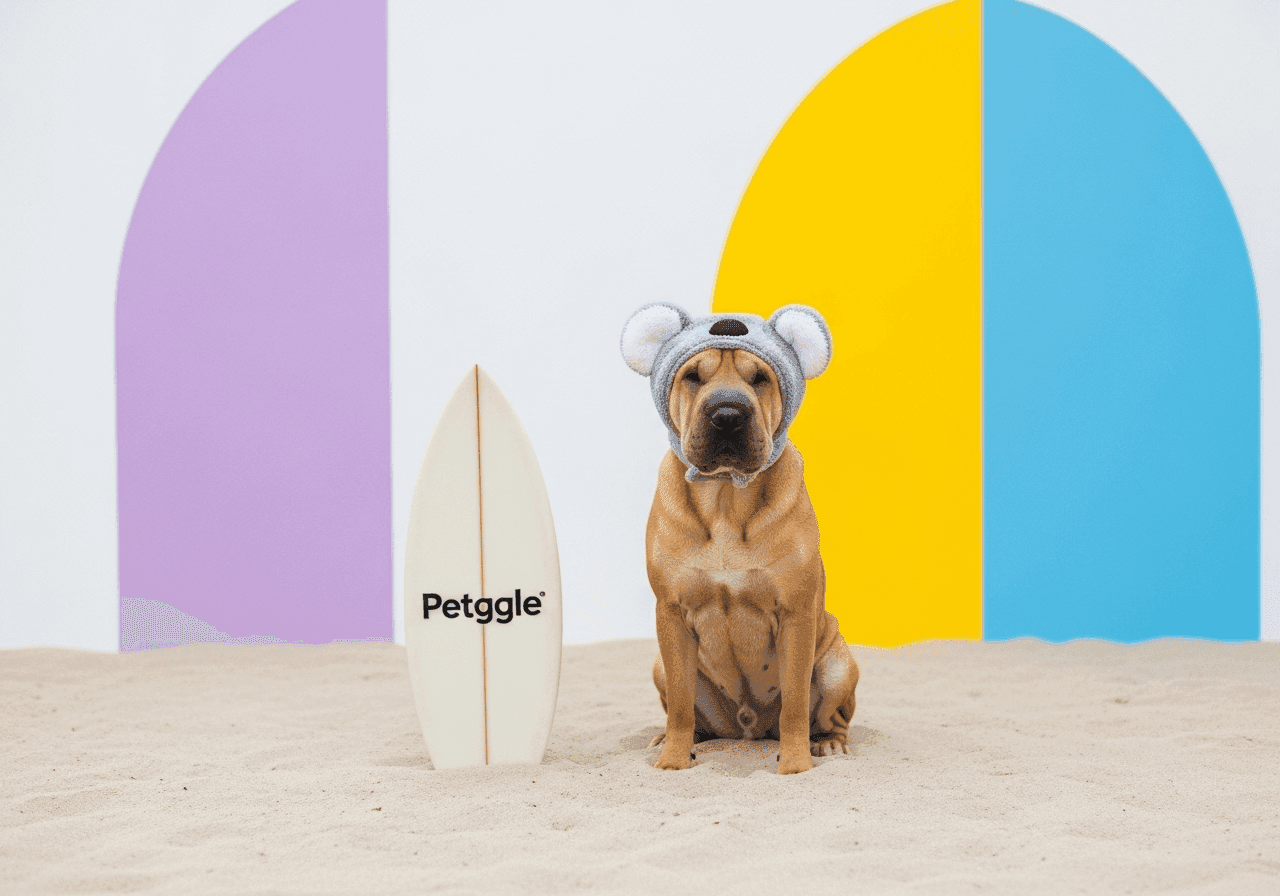
The Good
- Loyal and protective of family
- Calm and quiet indoors
- No need for intensive physical exercise
- Attractive appearance
The Real
- Tendency to show stubbornness
- Need for timely socialisation
- Large number of hereditary diseases
Gallery


Breed Overview
The Shar Pei is one of those dogs that stops people in their tracks - and for good reason. With their distinctive wrinkled face, blue-black tongue, and "hippopotamus" muzzle, they're genuinely unlike any other breed you'll meet at your local dog park. Originally from China, these medium-sized dogs pack a lot of personality into their compact, square-shaped frame.
Here's what makes them special: Shar Peis are incredibly loyal to their families but naturally cautious with strangers. They're not the type to bounce up to every person they meet, which makes them excellent watchdogs. Their calm, laid-back nature means they're perfectly content with moderate exercise - think leisurely walks around the neighbourhood rather than marathon beach runs.
The wrinkles that make them so distinctive do require some extra care, but many owners find the grooming routine quite manageable once you get the hang of it. They're intelligent dogs, though they can be a bit strong-willed, so they do best with experienced owners who can provide consistent, patient training.
In Australia, Shar Peis adapt well to both apartment living in cities like Melbourne or Sydney and suburban life with a backyard. They handle our varied climate reasonably well, though they'll need some extra care during extreme weather - a jacket for those chilly Canberra winters and shade during Perth's scorching summers when temperatures rise above 30°C.
History
The Shar Pei's story reads like something from ancient legend, and in many ways, it is. These remarkable dogs trace their roots back over 2,000 years to China's Han Dynasty. Archaeological discoveries have uncovered clay figurines of distinctly Shar Pei-looking dogs in ancient Chinese tombs, where they were believed to guard the deceased in the afterlife. Research has shown that they are one of the most ancient dog breeds in the world.
The breed's name literally translates to "sand skin," perfectly describing their unique, rough coat texture. Chinese farmers originally used these versatile dogs for herding livestock, hunting wild boar, and protecting their properties. Their distinctive wrinkled appearance wasn't just for show - those folds, caused by a mutation in the HAS2 gene, were selectively bred by ancient Chinese breeders who recognised something special when they saw it.
The breed nearly vanished entirely in the mid-20th century when China's communist government deemed dogs an unnecessary luxury. By the 1960s, Shar Peis were critically endangered, with only small populations surviving in Taiwan and Macau. Their salvation came when they were brought to the West, and by 1978, they'd earned a place in the Guinness Book of Records as the world's rarest dog breed.
Following their introduction to America and Europe in the 1970s, the breed's popularity grew, and they soon made their way to Australia. Today's Shar Peis are descendants of those precious few survivors, making every one of these wrinkled companions a living piece of ancient history.


Traits & Characteristics
Shar Pei characteristics and temperament traits.
Caring Guide
Let's be honest about Shar Pei health - it's the one area where this breed faces some significant challenges. Their unique physical features, while absolutely charming, do come with specific health considerations that Australian owners need to understand.
The most common issue you'll encounter is entropion, where those adorable wrinkles cause the eyelids to roll inward, making the eyelashes rub against the eye. It's painful for your dog and usually requires surgical correction. Keep an eye out for excessive tearing, squinting, or your dog holding their eye shut.
Shar Pei Fever is another serious concern - it's a hereditary condition that causes high fevers (up to 41.5°C), lethargy, and ankle swelling. Unfortunately, it can progress to kidney failure quite rapidly. Responsible ANKC registered breeders should be able to discuss the risks and health history of their lines.
Those beautiful skin folds need regular attention too. They're perfect breeding grounds for bacteria and yeast, especially in Australia's humid coastal areas like Brisbane or Darwin. Weekly checks for redness, odour, or moisture between the folds can prevent nasty skin infections. Your vet might recommend medicated shampoos for dogs with particularly deep wrinkles.
The breed is also prone to ear infections due to their narrow ear canals, and pododermatitis (inflammation between the toes) from excessive licking. Regular vet check-ups, quality pet insurance, and choosing a reputable breeder who health tests their dogs are your best defences against these issues.
Feeding a Shar Pei requires a bit more thought than tossing kibble in a bowl, mainly because this breed is notorious for food allergies and sensitivities. Many Australian Shar Pei owners find themselves on a journey to discover what works best for their particular dog.
During their first year, your Shar Pei puppy needs a high-quality medium-breed puppy formula that's packed with calories for proper growth. Around their first birthday, you'll gradually transition them to an adult medium-breed formula, and by age seven, consider a senior diet with joint support - their bodies will thank you for it.
Here's the tricky bit: Shar Peis are prone to food allergies, so introducing any new food needs to happen slowly. If your dog develops skin issues, digestive problems, or excessive scratching, food sensitivities might be the culprit. Many Australian vets recommend elimination diets to identify trigger ingredients.
Because these dogs aren't particularly active and can pile on weight quickly, portion control is crucial. Stick to two meals a day and resist those pleading wrinkled faces at dinner time - no table scraps! Those extra kilos put additional strain on their already vulnerable joints and skin folds.
An omega-3 fatty acid supplement can work wonders for their skin health, helping to reduce inflammation and support that skin barrier. Always chat with your vet before adding supplements, though. If your Shar Pei wolfs down their food too quickly (and many do), a slow-feeder bowl can prevent bloating and improve digestion.
Here's some good news - Shar Pei grooming isn't nearly as complicated as you might think, despite all those wrinkles! Their short, bristly coat requires minimal fussing, but those distinctive skin folds do need some regular attention.
Weekly brushing with a soft-bristled brush or rubber grooming mitt will keep shedding under control. They don't shed excessively, which is great news for Australian families dealing with pet hair on furniture. A quick once-over removes dead hair and keeps their coat looking healthy.
The wrinkles are where you'll focus most of your grooming energy. Check them twice a week for any signs of trouble - redness, moisture, crusty bits, or unpleasant odours. Clean, dry skin folds are happy skin folds. If your dog has particularly deep wrinkles, your vet might recommend weekly baths with medicated antibacterial shampoo, especially during Australia's humid summer months.
Their small, triangular ears need weekly cleaning with a veterinary ear cleaner - never use cotton swabs or hydrogen peroxide. Those narrow ear canals trap moisture easily, particularly after beach trips or baths. A good ear-cleaning routine prevents the infections this breed is prone to.
Don't forget the basics: trim their nails every 4-8 weeks (you'll hear them clicking on your tiles when it's time), and brush their teeth regularly with dog-specific toothpaste. Many Australian Shar Pei owners make nail trimming easier by using a grinder rather than clippers.
Keep an eye on their eyes too - any excessive tearing, redness, or squinting could signal entropion developing.
Training a Shar Pei is like negotiating with a very intelligent, slightly stubborn teenager - they absolutely understand what you're asking, they're just not always convinced they should do it! These dogs are smart as whips, but they've got an independent streak that can challenge even experienced dog owners.
Early socialisation is absolutely crucial for this breed. Between 8-16 weeks old, expose your Shar Pei puppy to different people, animals, and situations in a positive way. Without proper socialisation, they can become overly wary of strangers and new experiences. Many Australian puppy schools offer excellent socialisation programs that work perfectly for Shar Peis.
Professional obedience training is highly recommended, especially for first-time Shar Pei owners. These dogs need consistent, patient training with positive reinforcement - never harsh corrections or shouting. They respond beautifully to treats, praise, and clear boundaries, but they'll absolutely shut down if you get aggressive with them.
Exercise-wise, Shar Peis are wonderfully low-maintenance. They're perfectly happy with 30 minutes of daily exercise - think gentle neighbourhood walks rather than intense hiking in the Blue Mountains. Their facial structure makes them sensitive to overheating, so avoid strenuous exercise during Australia's hot summer days when temps exceed 30°C. Early morning or evening walks work best.
They can develop a moderate to high prey drive, so keep them on a lead or in securely fenced areas. They're content being couch companions between walks, which makes them perfect for apartment living in cities like Sydney or Melbourne.
Who is an ideal owner?
The perfect Shar Pei owner is someone who appreciates a dog with character and isn't intimidated by a bit of stubbornness. If you're a first-time dog owner, this might not be your best starting breed - these dogs need someone who can establish gentle but firm leadership from day one.
You'll do well with a Shar Pei if you're the type of person who enjoys a calm, loyal companion rather than a bouncy, everybody's-best-friend kind of dog. They're naturally reserved with strangers, which makes them excellent watchdogs, but they need owners who understand and respect this trait rather than trying to force them to be social butterflies.
Families with older, dog-savvy children often find Shar Peis wonderful companions. These dogs aren't fans of rough play or overwhelming cuddles from little ones, but they can be incredibly gentle and protective with kids who treat them respectfully. If you've got toddlers who are still learning appropriate pet behaviour, you might want to wait a few years.
The ideal Shar Pei household has time for regular grooming routines and is prepared for potential health issues. You'll need to budget for regular vet visits, possible skin treatments, and quality pet insurance is highly recommended. If you're someone who prefers low-maintenance pets, the grooming requirements might feel overwhelming.
Single-pet households often work best, as Shar Peis can be territorial and don't always appreciate sharing their family's attention. However, with proper socialisation from puppyhood, they can learn to coexist peacefully with other pets.
You'll love this breed if you want a devoted, dignified companion who's content with moderate exercise and enjoys being your shadow around the house.
Interesting facts about the Shar Pei
Shares a Blue-Black Tongue
The Shar Pei shares the distinctive blue-black tongue trait with only one other breed - the Chow Chow.
Once World's Rarest Dog
In 1978, this breed earned a spot in the Guinness Book of Records as the world's rarest dog breed after its numbers dwindled in China.
Guarded Ancient Tombs
Ancient Chinese statues from the Han Dynasty bearing a strong resemblance to Shar Peis have been discovered in tombs, and historical manuscripts reference "wrinkled dogs".
Tongue Licked The Heavens
According to Chinese legend, the Shar Pei's dark tongue appeared after the dog licked a patch of the sky as it fell to earth.
FAQ
Absolutely, but with the right family setup. They do best with older children who understand how to interact respectfully with dogs. Shar Peis aren't fond of rough play or overwhelming affection, but they can be wonderfully loyal and protective family companions when properly socialised from puppyhood.
Yes, they're very intelligent, but they're also independent thinkers. This combination can make training interesting - they understand what you're asking but might decide they've got a better idea! Consistent, positive training methods work best with this breed.
They're definitely on the calmer side of the energy spectrum. Shar Peis are content with moderate daily exercise and won't become destructive if they don't get hours of activity. However, they can become anxious and bark if not properly socialised, so mental stimulation through training is important.
They're actually quite adaptable to apartment living, needing only about 30 minutes of daily exercise. A few short walks around your neighbourhood will keep them happy. Just remember they can overheat easily in Australia's hot weather, so time those walks for cooler parts of the day.
Their coat is low-maintenance with weekly brushing, but those wrinkles need regular attention. You'll need to check and clean the skin folds twice weekly to prevent infections, especially in Australia's humid coastal areas. It's not difficult once you establish a routine.
From a reputable ANKC registered breeder in Australia, expect to pay between $3,000 and $5,000 AUD for a puppy. It's crucial to factor in higher-than-average vet costs due to breed-specific health issues, making quality pet insurance a wise investment. Choosing a breeder who health screens their dogs is the best way to start.
They can be quite territorial and often prefer being the only pet in the household. However, with proper socialisation from a young age, many Shar Peis learn to coexist peacefully with other animals. Early introduction and gradual socialisation are key to success.